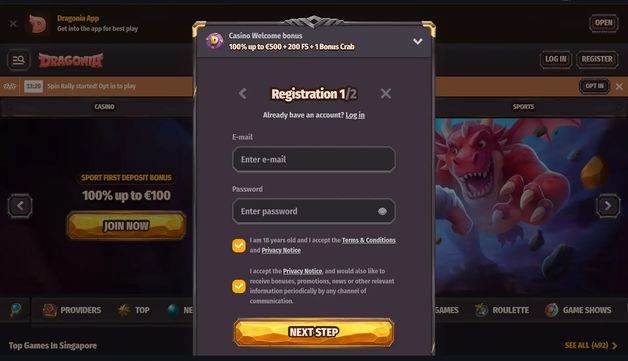
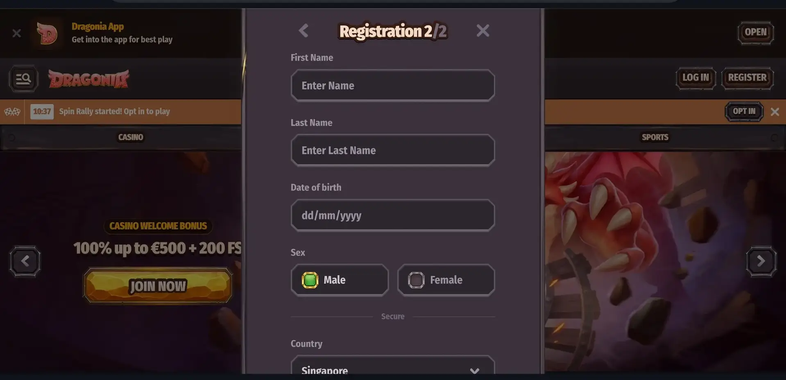
Payments are where general impressions end and real checks begin. As long as you read a homepage or scroll through a catalog, everything may seem orderly. However, when you need to deposit, check your balance, or request a withdrawal, the platform shows its practical side. That's where you understand if the profile was set up correctly, if the data matches, and if the history is truly useful or just decorative.
The rule that helps the most is surprisingly simple: before confirming any transaction, stop for half a minute. Look at the amount, method, profile status, and the real reason for the operation. It seems obvious, but it's precisely what gets skipped when acting out of haste or nervousness. Imagine a somewhat messy late evening, where you feel like fixing everything with a new deposit or a decision made in ten seconds. That's when you need more control, not less.
Withdrawals should also be treated as a brief administrative procedure, not as a click made while thinking about something else. Those who keep their account in order usually encounter less friction. Those who leave incomplete data or unclear documents often end up having to fix everything precisely at the moment they just want to close the operation.
To make the account more readable, many users find a quick scheme useful:
Area To Check | What To Look At First | Why It Is Useful |
Personal profile | consistent data and active contact details | avoids last-minute corrections |
Selected method | real availability and header | reduces trivial errors |
History | last recorded transaction | helps to immediately understand the account status |
Documents | readable and updated files | makes checks more linear |
Personal limits | budget and breaks already set | keeps order in the session |
This table works because it puts everything in order. First you check, then you decide. It seems like a detail, but it makes a big difference when the account is used often and at different times of the day.
What to Look At Before a Deposit
Before adding funds, it's worth asking yourself two things: how much do I really want to use, and why am I making this operation now? If the answer is vague, it's already a sign. Imagine being tired, with your phone in hand, and wanting to play one more time just to try to change the course of the evening. In that case, the problem is not technical. It's the reason for the movement. Clear thinking avoids many choices made purely out of reaction.
How to Read a Withdrawal in an Orderly Manner
When you request a withdrawal, the most useful thing is not to treat it as an automatic action. Profile data, recent history, the method used, and the status of any verifications matter. Imagine you've had a long session and want to close everything quickly. It is precisely then that haste can confuse amounts, times, and steps. Whoever usa the account with more discipline always does the same: rereads, checks, confirms, and then exits without continuing to touch other sections.
Documents and Verification Without Last Minutes
Profile verification should be prepared when there is no pressure. Readable documents, clear images, consistent data: all this is easier to arrange at a neutral time than during an urgent problem. Imagine having to upload a file from your phone while you are away from home, with little light and little patience. It's the scene where you end up redoing everything. It's better to prepare what you need beforehand and get it out of the way.